Shutters Up, Ideas In: What Stapleford's Empty Shops Are Turning Into
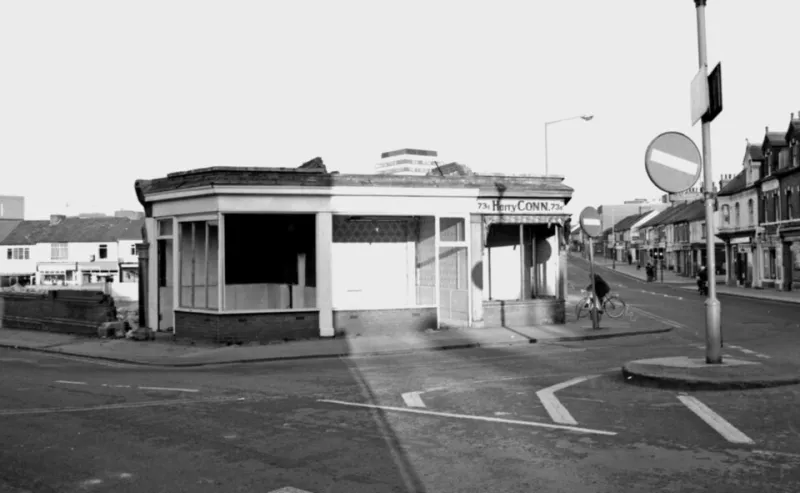
Photo: P L Chadwick , CC BY-SA 2.0, via Wikimedia Commons
Walk down Stapleford's High Road on a quiet Wednesday and you will notice something. The shutters are still there, but some of them are up. A former card shop now has a pottery wheel in the window. A unit that spent two years with a 'To Let' sign has become a weekend record stall. The high street is not what it was, but it is not standing still either.
The View from the Pavement
Stapleford's empty shops have become a talking point. Not in a doom-laden way, but in the way that people who care about a place talk about it: with a mix of frustration and stubborn hope. The frustration is familiar. Rates are high, footfall is unpredictable, and online shopping has changed what people expect from a town centre. The hope is newer. Across the High Road and the side streets, small-scale experiments are taking root in spaces that were built for something else entirely.
From Retail to Rehearsal
Take the former hardware shop near the crossing. It is now a shared studio for three makers: a ceramicist, a printmaker and a jeweller. They rent the space together, split the bills and take turns minding the shop. 'We could never afford a proper retail unit on our own,' says one of them, wiping clay from her hands. 'But together it works. People come in to buy a mug and stay for a chat. That is not something you get online.'
The studio model is spreading. A vacant office above a charity shop has become a small rehearsal room for a local theatre group. A former estate agent's has been taken on by a photographer who uses the front room for portrait sessions and the back for editing. None of these are traditional shops. All of them bring people into the town centre, which is the point.
Pop-Ups with a Purpose
Then there are the pop-ups. A rotating cast of traders who take a short lease, test an idea and move on. One weekend it is a bakery counter selling cinnamon buns. The next it is a vintage clothes rail. The next it is a community book swap with a honesty box. The rents are short-term and the risk is low, which means people who would never sign a five-year lease can try something new.
'It is a try-before-you-buy high street,' says a resident who has been visiting the pop-ups since they started. 'You see the same faces. It feels like a market, but indoors.' That market feel is deliberate. The pop-ups are often grouped together, with shared signage and late openings on the first Friday of the month. It is not a grand regeneration plan. It is a series of small bets.
The Rent Question
Not everyone is convinced. A landlord with several units on the High Road points out that short-term lets are not a long-term solution. 'You need anchor tenants,' he says. 'You need a pharmacy, a bank, a proper supermarket. Pop-ups are lovely, but they do not pay the business rates.' He is not wrong. The experiments are fragile. A rise in rent, a change in ownership, a quiet winter – any of these could end them.
There is also the question of who gets to experiment. The makers and pop-up traders tend to be people with some spare time, some savings and a lot of energy. Not everyone has that. The high street revival, such as it is, risks catering to a certain kind of creative entrepreneur while leaving others on the sidelines.
What Residents Want
Ask people in Stapleford what they want from the town centre and the answers are refreshingly practical. They want somewhere to sit. They want a decent cup of coffee that does not cost four pounds. They want their children to have somewhere to go that is not a park in the rain. They want to bump into people they know.
The new uses are starting to meet some of that. The studio runs weekend workshops. The pop-ups host craft sessions for families. The rehearsal room has an open evening once a month. None of it replaces the old high street, but it does something the old high street sometimes struggled with: it gives people a reason to linger.
Sticking Plaster or Springboard?
The honest answer is that it is too early to tell. A sticking plaster covers a wound. A springboard launches something. The empty shops of Stapleford are currently doing a bit of both. They are covering the gap left by national chains that have gone. They are also launching small businesses that might, in time, become permanent fixtures.
What would make the difference? Longer leases at affordable rents. Better marketing as a collective. A council that sees the value in temporary use rather than treating it as a holding pattern. And, crucially, more people choosing to spend their money on the High Road rather than clicking a button on their phone. That is not a planning policy. It is a habit.
The Identity Test
Stapleford has always been a town of making and mending. The new studios and pop-ups fit that identity better than another betting shop ever could. But identity is not a business plan. The experiments need support, patience and a bit of luck. If they work, the high street of 2026 might look less like a museum of retail and more like a workshop of ideas. If they do not, the shutters will come down again. For now, the lights are on. That is worth something.