Pocket Money Saturday: What a Tenner Buys in Stapleford

Photo: David Lally, CC BY-SA 2.0, via Wikimedia Commons
A tenner used to feel like a decent day out. Now it can feel like a round of drinks and a packet of crisps. So we set ourselves a small, stubborn challenge: one full Saturday in Stapleford, one adult, and no more than £10 spent from start to finish. No vouchers, no cheeky top-ups, no pretending the bus fare does not count. Just a notebook, a pen and a quiet determination to prove that a good Saturday does not have to come with a receipt the length of your arm.
The rules of the tenner test
The brief was simple. The day had to include something to eat, something to browse, something to learn and a decent walk. It had to feel like a Saturday, not a punishment. And the £10 had to cover everything except the obvious: we walked from home, so travel was £0. If you are coming in from further out, a bus fare will eat into the budget, so plan for that first and work backwards. The rest is about choosing the free stuff deliberately rather than treating it as a fallback.
8.30am: The free start
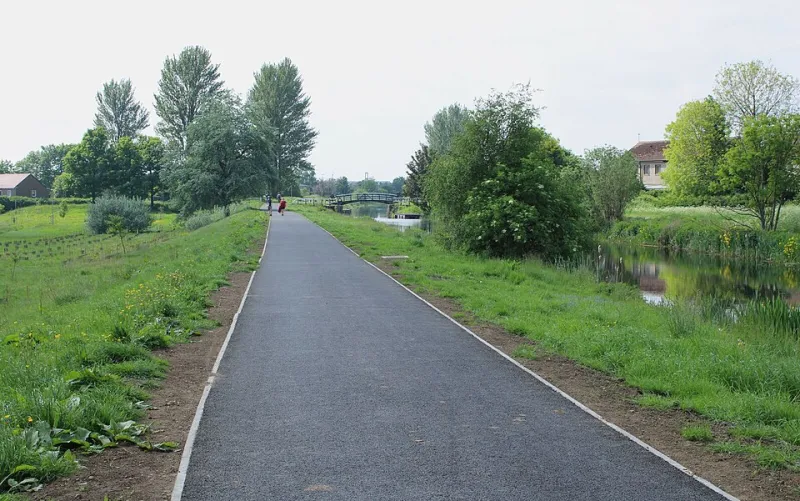
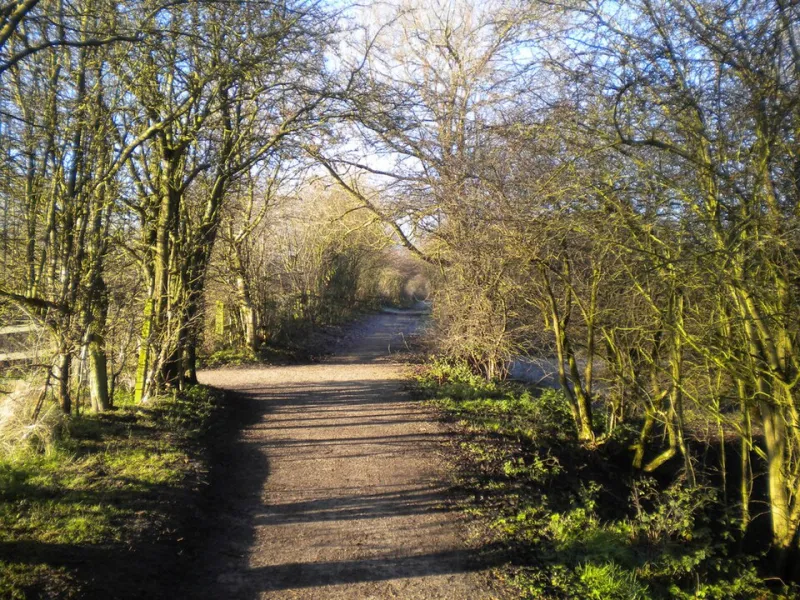
Early November does not always invite a long walk, but a dry Saturday morning is one of Stapleford's quiet gifts. We started along the canal towpath, where the air is cold enough to wake you up and the water does that grey-green winter thing. There is no entry fee, no queue and no pressure to buy anything. A flask from home would have been sensible. We had forgotten ours, which is exactly the kind of mistake that makes a tenner feel smaller than it is.
Still, the walk set the tone. A Saturday out does not need to begin with a till. It can begin with a stretch of towpath, a dog that ignores you and the pleasing sight of other people also pretending they are not checking the time.
10am: Market maths
The market is where the tenner test gets interesting. The temptation is to treat every stall as a small, deserving cause. The trick is to buy one or two things that actually make the day better. We spent £2.50 on a decent loaf and £1.50 on a bag of apples. That is £4 gone, but it is not money wasted: the bread did for lunch and the apples stopped us buying a chocolate bar at 11am. Market shopping works best when you buy for the day ahead rather than for the imaginary dinner party you are never going to host.
The other bargain is the browse. You can look at chutneys, scarves, second-hand tools and mysterious brownies without spending a penny. The stallholders are used to it. Just be polite, do not block the table and do not ask for a taster if you have no intention of buying.
11.30am: The library loophole
The library remains the most underrated free stop in town. You can read the papers, charge a phone, use the loo and sit down without anyone expecting you to order a flat white. We spent half an hour with a local history book and another ten minutes pretending we might join a reading group. The library is not a filler between shops. It is a proper Saturday stop, especially when the weather turns.
If you have children with you, this is also the point where the budget can quietly collapse. The answer is not to avoid the library but to go in with a plan: one book each, no gift shop, no emergency snack. The tenner test is not about being mean. It is about spending on purpose.
12.30pm: The café stop that does not blow the budget
Here is where most tenner challenges fail. A café stop can easily become £9 before you have finished reading the menu. We chose a simple pot of tea and a toasted teacake, which came to £3.20. That left £2.80 in the pot. The tea was hot, the teacake was warm and the window seat gave us a front-row view of Stapleford doing its Saturday thing. It was not a lavish lunch. It was a pause, which is a different and better thing.
If you want a bigger meal, you can still do it: skip the market loaf, order a bacon cob and make that your main event. The point is to decide before you sit down. The tenner does not mind being spent. It just minds being dribbled away.
2pm: The afternoon that costs nothing
After lunch we walked up through town and into the memorial garden for a quiet ten minutes. Then we did a loop of the charity shops, where we spent £1 on a paperback and £0 on a surprisingly vigorous debate about whether a decorative frog was worth £3. It was not.
The rest of the afternoon was free: a look in the church porch, a wander past the shops, a bench stop and a slow walk home. It was not a packed itinerary. It was a Saturday with room in it, which is arguably the whole point.
The ledger
- Market loaf: £2.50
- Apples: £1.50
- Café tea and teacake: £3.20
- Charity shop paperback: £1.00
- Travel: £0.00 (walked)
- Total: £8.20
- Left over: £1.80
That leftover is important. It means the day did not depend on scraping the bottom of the purse. It also means there is room for a contingency: a parking meter, a bus fare or a sudden need for a packet of custard creams.
What residents told us
The best-value advice came from people who do this every week rather than once for a stunt. Their tips were refreshingly practical. Eat before you go out, but leave room for one proper stop. Check the market near closing time if you want reduced prices, but do not expect the best stuff to still be there. Use the library as a base, especially if it is raining. And do not underestimate the free pleasure of walking a route you usually drive.
One regular put it neatly: a tenner goes further when you stop trying to buy a whole day and start buying a few good bits of one.
The verdict
Can you do a full Saturday in Stapleford for under £10? Yes, with conditions. You need to walk rather than drive, choose your café stop carefully and treat free places as destinations rather than gaps between spending. It is not a day of treats and trinkets. It is a day of small pleasures, sensible choices and the quiet satisfaction of coming home with change.
And if you spend that leftover £1.80 on a bun for the way home, we will not tell anyone.