The Hour Is a Local Matter: Stapleford's Clocks, Bells and Human Sundials
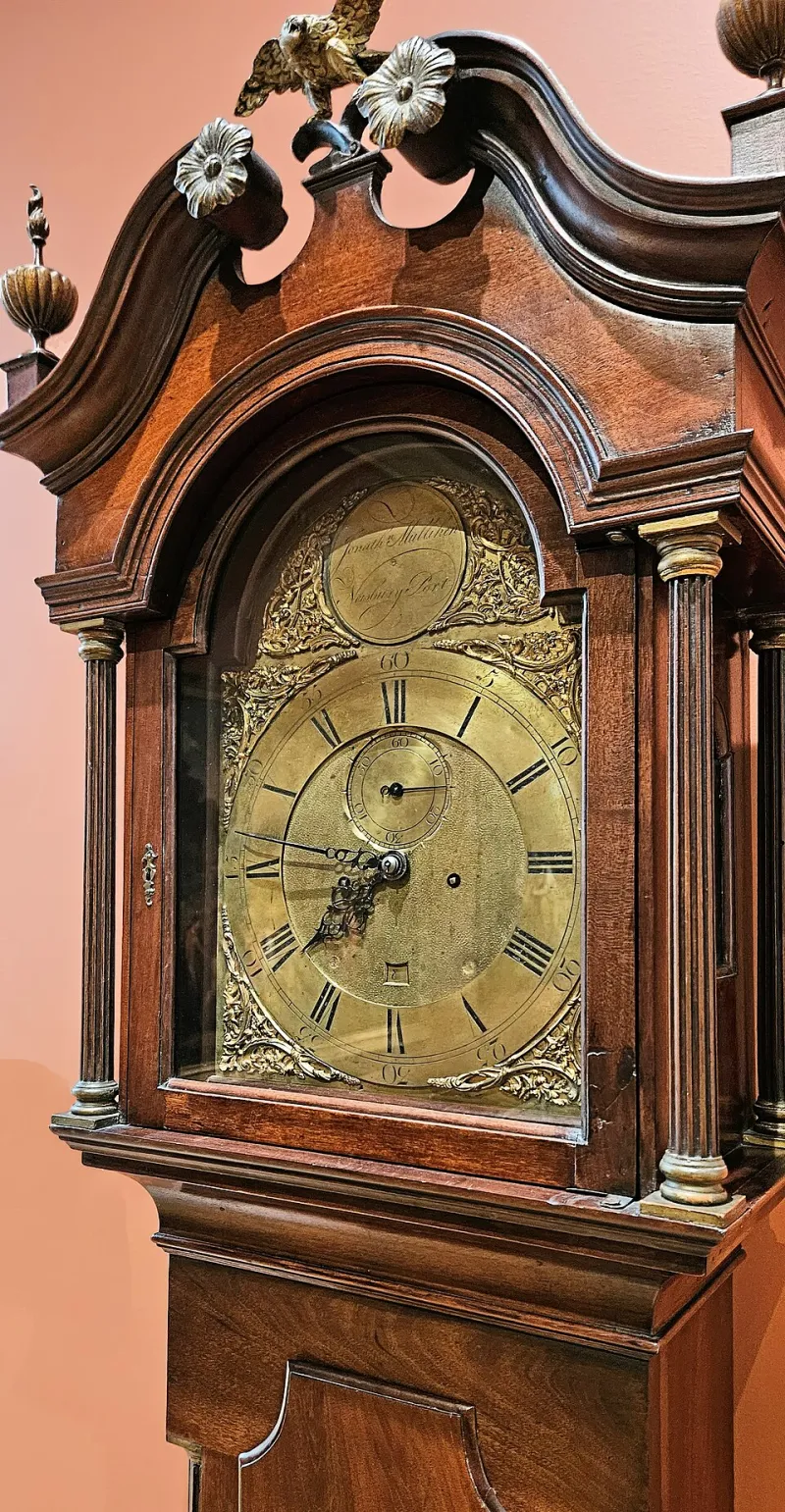
Photo: Eric Polk, Public domain, via Wikimedia Commons
Stapleford has a town hall clock, a church clock, a station clock and at least four shop clocks that disagree with all of them. Nobody seems especially troubled by this. If anything, the disagreements are part of the system. The town does not run on Greenwich Mean Time so much as a loose federation of local agreements, each one five minutes fast, ten minutes slow or simply "about right for a Tuesday".
This is not a failure of civic organisation. It is a small town doing what small towns do: coordinating itself through people rather than protocol. Below is a tour of the clocks, bells and habitual timekeepers that really set the pace — plus an open invitation to tell us which ones we have missed.
The Town Hall Clock, Which Is More of a Suggestion
Let us begin with the obvious. The clock on the town hall is handsome, black-faced and visible from the Co-op doorway, and almost nobody uses it to decide anything. It has been fast for years. Or slow. Ask six people and you will get six answers, which tells you rather a lot about how the clock is regarded: not as an instrument but as a character.
There was a period, a few years back, when it lost a noticeable amount of time and someone put a handwritten note on the door apologising for the inconvenience. The inconvenience, as far as anyone could tell, was mild. People glanced up, adjusted their expectations and carried on. The clock was mended eventually, in the way that these things are mended — which is to say, partly.
It remains, in the local imagination, a suggestion. A clock-shaped opinion.
The School Bell Is the Real Greenwich
If you want to know what time it is in Stapleford on a weekday, do not look up at the town hall. Look for the shopkeeper who sets her till by the school bell.
She is not alone. The bell at the primary school is the closest thing this town has to a central metronome. It rings for the start of the day, for break, for lunch and for home time, and a surprising number of people adjust their lives around it. The bakery knows that the 3:15 rush begins when the bell goes, not when the clock says so. The owner of the corner shop has been known to open the till at the second bell and declare, with some satisfaction, that the afternoon has officially started.
There is something quietly reassuring about this. The school bell is not an abstract measurement. It is a sound, a local event, a thing that happens in the same place at the same time every day. It is hard to argue with a bell.
The Bus Stop Is a Clock You Cannot Ignore
The pole outside the library, the app on your phone and the driver's own wristwatch form a shifting triangle of truth. The app says the 09:12 is on time. The pole says the 09:12 is at 09:12. The driver, pulling up at 09:14, says nothing at all and simply opens the doors.
Regular passengers have developed a sixth sense for this. They arrive five minutes early, then stand about looking patient. A few have taken to timing the bus against the church clock, which is itself a topic of debate. The result is a live, low-stakes experiment in which everyone is wrong and everyone gets where they need to go anyway.
Behind the Counter: Tills, Timers and Tiny Rituals
The chippy runs on the fryer timer, which is loud and unarguable. The bakery runs on proving time, which is more of a feeling. The barber runs on appointments, except when he does not, and the pub runs on a clock that is deliberately ten minutes fast so that people leave before they have to be told.
These small chronologies rarely appear on any official list. They are passed around by habit. "She opens at nine but the till is set by the school bell" is the sort of sentence you hear and immediately understand. It is local knowledge of the most practical kind.
The Church Bells and the Sunday Argument
The bells at St Mary's are the town's oldest timekeepers, even if nobody is entirely sure how accurate they are. They mark the hour, they mark services, and on practice nights they mark the fact that someone is up there doing their best. The argument about whether the bells are "late" is a Sunday fixture, conducted with great seriousness and very little consequence.
What the bells do provide is a shared reference point that has nothing to do with screens. You hear them, you orient yourself, you carry on. In a town of this size, that is worth something.
The Human Sundials
Some of Stapleford's most reliable timekeepers are not clocks at all. They are people. The man who walks past the post office at 7:40 every morning. The woman who opens her curtains at 6:55. The dog on the allotment path who knows, to within a minute, when it is five o'clock and time to go home. The postman, whose arrival is a kind of hourly chime in itself.
These are the human sundials, and people set their days by them without ever saying so. "I saw Mrs Patel open her curtains, so I knew I was late" is a real sentence, spoken by a real person, in a town that quietly relies on this sort of thing.
Why It Works, Mostly
A city might find this arrangement maddening. A town finds it workable because the corrections happen constantly and socially. You are five minutes fast? Someone will tell you. The bell is early? The shopkeeper will adjust the till. The bus is late? The driver's watch is the final authority, and everyone accepts it.
There is a deeper point buried in all this gentle chaos. Small towns coordinate themselves not through precision but through attention. The clocks matter less than the fact that people are watching them, comparing them, arguing about them and, eventually, agreeing on a version of the hour that is good enough for everyone.
Nominate Your Timekeeper
So here is the ask. Which clock, bell, dog, shopkeeper or habitual passer-by really runs your corner of Stapleford? Who do you trust when your phone has died and the app is sulking? Send us your nominations — the more absurd the better — and we will compile a proper, entirely unofficial map of local time.
Five minutes fast and proud of it. That is the Stapleford way.