Windowsills, Half-Rows and the Long Game: Stapleford's Allotment Queue in 2026
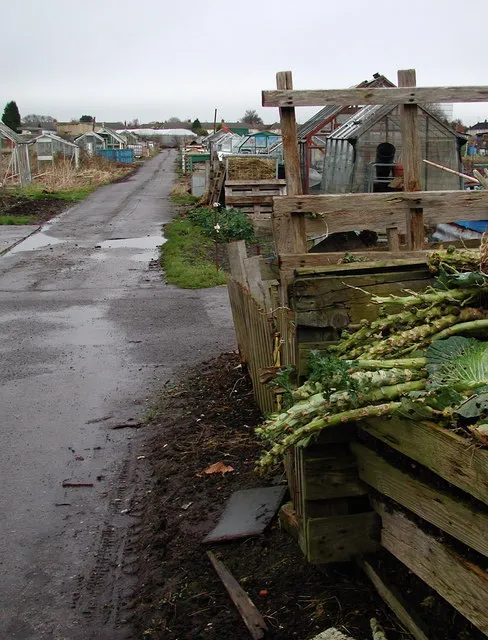
Photo: Paul Glazzard, CC BY-SA 2.0, via Wikimedia Commons
The gate off Hickings Lane is closed on a wet Tuesday in November, but the tea hut light is on. Inside, a laminated sheet on the noticeboard tells its own story: 87 names on the waiting list, some pencilled in two years ago, a handful added this autumn. The average wait, says the site secretary, is somewhere between eighteen months and three years. And yet nobody in the hut seems cross about it. They’re too busy swapping seed catalogues and arguing about whether the parsnips need fleece.
That’s the strange thing about Stapleford’s allotment queue in 2026. Demand has never been higher — hybrid working, grocery bills, a general urge to put a seed in something — but the waiting list has quietly become a community of its own. People don’t just sit on it. They garden anyway, in whatever space they can borrow, beg or build on a balcony.
We followed three would-be growers from first enquiry to first harvest. This is what the wait actually looks like.
The Queue That Grows Taller
Stapleford Town Council confirms the figure: 87 households on the list as of autumn 2026, up from the mid-sixties three years ago. Full plots turn over slowly — maybe six or seven a year across the main sites — which means the arithmetic is stubborn. A plot is not a gym membership; people hold on to them.
Why the surge? The obvious answers: food prices, a desire for something to do that isn’t a screen, and a growing awareness of how much better a homegrown tomato tastes than a supermarket one. But there’s a quieter reason too. Allotments are one of the last places in town where you can turn up alone and leave with four new friends and a bag of surplus courgettes. In a year when everything feels a bit fast, a slow queue feels almost restful.
Priya’s Windowsill: Gardening at 1:200 Scale
Priya, 34, lives in a first-floor flat off Derby Road. She joined the waiting list in February 2026, partly on a whim, partly because her mum in Toton kept sending photos of her runner beans. “I thought I’d be digging by summer,” she says. “I was not digging by summer.”
Instead, she did what the allotment association recommends to everyone on the list: start where you are. Her south-facing windowsill now holds four deep troughs — cut-down olive oil tins with drainage holes punched in the bottom — growing basil, chillies, cut-and-come-again salad and a single determined cherry tomato. Total setup cost: £25, most of it on compost and a decent watering can.
“The trick is to treat the windowsill like a mini plot,” she says. “South-facing, deep roots, water in the morning not the evening, and don’t bother with anything that needs a metre of soil.” She’s since added a shelf on the balcony for a potato bag and a pot of mint that is threatening to take over. When her plot comes — she’s number 41 — she’ll already know how to keep something alive.
Tom and Ellie’s Half-Row: The Neighbourly Loophole
Tom and Ellie live three streets from the Sandon Road site. They’d been on the list for fourteen months when a retired couple two doors down offered them half of their plot for the 2026 season. The arrangement is informal but not unusual: £30 a year towards the rent, plus a promise to help with watering in August and to stay off the rhubarb.
“The committee knows,” says Tom. “They’d rather have a half-row worked than a full plot going to seed. As long as the tenant is the one on the agreement and you’re not building a shed on it, everyone’s happy.”
The half-row has been a revelation. They’ve grown kale, broad beans, two rows of carrots under mesh and a small forest of sweet peas for cutting. The main lesson? “Don’t overplant your first year,” Ellie says. “We put in twelve courgette plants. We are still eating courgette chutney. It is November.”
Their tip for anyone on the list: ask at the tea hut. Not on Facebook, not through the council — in person, on a Saturday morning, with a flask. “Someone always knows someone who’s struggling with a bed or going away for a month. It’s how half of Stapleford gets a foot in the gate.”
Margaret’s Three Years: From Number 41 to First Harvest
Margaret applied in 2023, forgot about it, and got the call in early 2026. She took on a half-plot that had been strimmed but not much else — couch grass, a broken cold frame, a shed with a wasp situation. “I cried a bit,” she says. “Then I made tea and started on the couch grass.”
Eight months on, her first harvest is in: runner beans, chard, a respectable crop of maincrop potatoes and enough courgettes to keep the tea hut supplied. She spent about £60 on seeds, compost and a second-hand fork. The plot rent is £52 a year for a full plot, £30 for a half — water included, which is the bargain of the century when you’re filling a watering can four times a day in July.
Her advice to anyone still waiting: “Take the half-plot if it’s offered. Take the neglected one. Don’t wait for perfect. Perfect is a myth and the couch grass will outlive us all.”
What the Rules Actually Say (and Where They Bend)
Allotment rules vary by site, but Stapleford’s main sites share the basics. Rents are due in April. Sheds should be no bigger than 8x6 and set back from the path. Bonfires are allowed only after 6pm and never on a Sunday. Paths must be kept strimmed — the committee will send a polite but firm letter if they’re not. Water butts are encouraged, hosepipes less so.
Where it bends: shared beds, informal half-rows and neighbourly watering rotas are tolerated as long as the named tenant is present or contactable and the plot is genuinely being worked. The waiting list prioritises Stapleford residents, and the committee meets on the first Monday of the month. If you’re on the list and haven’t heard anything, ring the town council and ask for a polite nudge. It works more often than you’d think.
The Quiet Social Life of a Weedy Path
The allotment’s real currency isn’t carrots. It’s gossip, advice and the tea hut on a Saturday morning, where a flask and a folding chair will get you a conversation about soil pH whether you wanted one or not. There’s a seed swap in February, a communal apple press in October and an honesty table by the gate where gluts appear and disappear with no money changing hands.
“You learn more over a shared flask than any book,” says Margaret. “I’ve had three people tell me how to deal with slugs and none of them agreed. That’s how you know it’s proper gardening.”
Why Demand Keeps Rising in 2026
The waiting list isn’t just a Stapleford problem. Across the UK, allotment demand has been climbing for years — but 2026 feels like a peak. The cost of a weekly shop, the rise of “grow your own” on social media, a genuine concern about food miles and a simple need for somewhere to be quiet and muddy have all pushed the same button. Hybrid working means more people are home to water in the evening. The council is understood to be looking at a small new site off Ilkeston Road, but nothing is confirmed.
In the meantime, the queue does what queues do. It waits, it swaps tips, and it grows things in whatever space it can find.
If You’re on the List: Five Things to Do Before Your Plot Arrives
- Start small and sunny. A windowsill, a doorstep, a borrowed half-row — it all counts.
- Ask about half-plots. They turn over faster and they’re less daunting.
- Join the allotment association. A fiver a year gets you the newsletter, the seed swap and the tea hut key.
- Volunteer on the community beds. You’ll learn the site, meet the committee and hear about plots before they’re advertised.
- Learn your soil. Ask a neighbour, do a jar test, or just see what weeds grow. It’ll save you a season of guesswork.
The wait is long. But as Margaret points out, the community is longer. “I waited three years for a weed patch,” she says. “Best three years I ever spent complaining about the wait.”